February 2025

Meyer Lemons: The Sweet & Tangy Citrus Gem for Your Garden
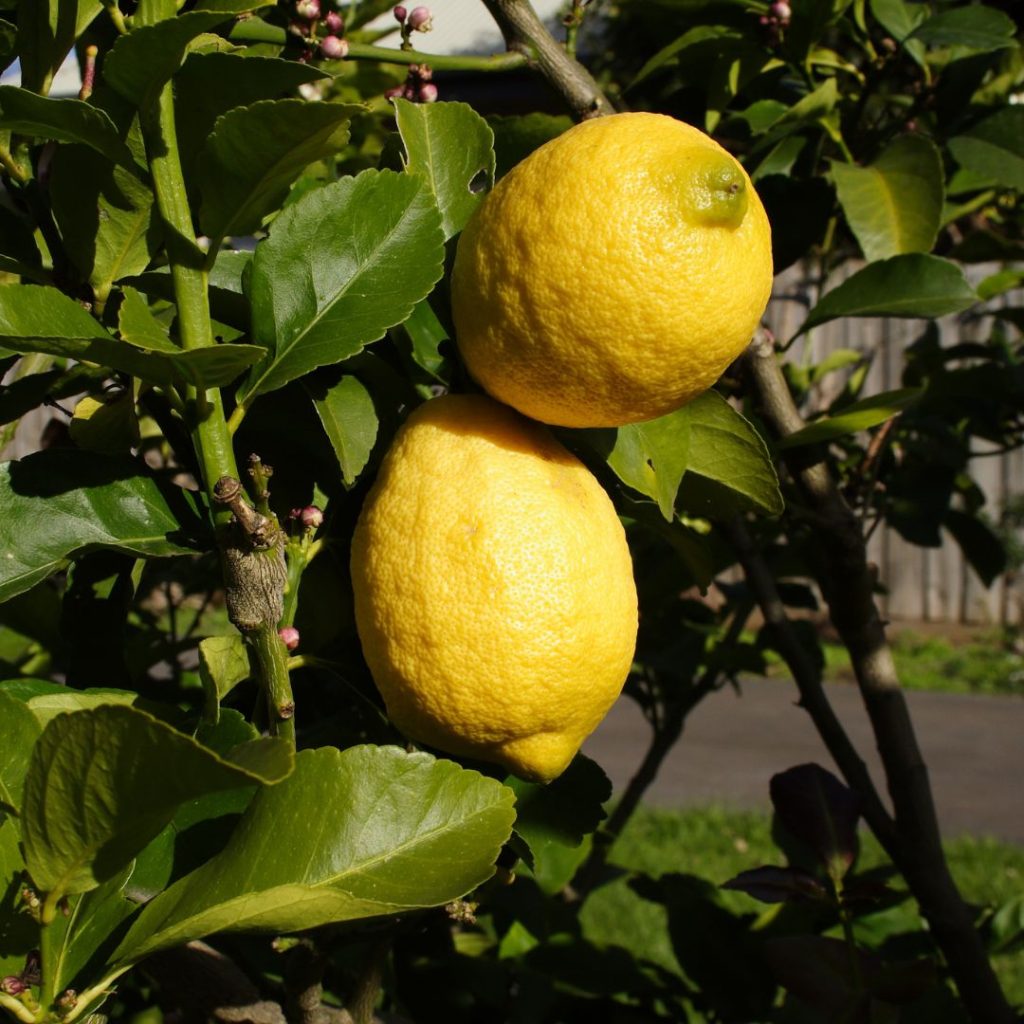
Meyer Lemon

G’day, citrus enthusiasts! Let’s embark on a juicy journey into the world of Meyer lemons—a fruit that’s as Aussie as a kangaroo sipping a flat white. The Meyer Lemon: A Citrus Lovechild Imagine if a lemon and a mandarin had a cheeky rendezvous; the result would be the Meyer lemon. This delightful hybrid blends the tang of a lemon with the sweetness of a mandarin, creating a fruit that’s less acidic and more palatable than your standard lemon. A Brief Stroll Down Meyer Lane Our story begins in the early 1900s with Frank Meyer, an intrepid agricultural explorer for the U.S. Department of Agriculture. While wandering through China in 1908, Meyer discovered this unique citrus and thought, “Why not share this gem with the world?” Soon, Meyer lemons arrived in Western gardens and kitchens, eventually making their way to Australia, where they have flourished ever since. Meyer Lemon Characteristics: More Than Just a Pretty Face Skin-Deep Beauty – Meyer lemons have a smooth, thin skin that turns a deep yellow-orange when ripe. This delicate skin makes them tricky to transport, which is why they’re not as common in supermarkets. Sweet and Juicy Personality – Unlike regular lemons, the Meyer lemon has a sweeter, less acidic flesh that’s bursting with juice. Aromatic Delight – The floral fragrance of a Meyer lemon is intoxicating, making it a favourite in both culinary and aromatic applications. Growing Your Own Meyer Lemon Tree in Australia Why hunt for Meyer lemons in the wild when you can grow your own? These trees are well-suited to Australia’s climate and even thrive in pots—perfect for urban gardeners. Top Tips for Growing Meyer Lemons: Sunbake: Plant your tree in a sunny spot; Meyer lemons are sun-seekers. Drink Up: Keep the soil moist but not waterlogged. Think of it as providing a steady flow of cocktails to a cherished mate. Feed Me, Seymour: Apply a citrus-specific fertiliser regularly to keep your tree healthy and productive. Trim the Fringe: Lightly prune to maintain shape and remove any dead or crossing branches. Vegan Meyer Lemon Tartlets Recipe Put your homegrown Meyer lemons to good use with these delicious vegan tartlets. Ingredients: For the crust: 1 ½ cups almond flour 2 tablespoons coconut oil, melted 2 tablespoons maple syrup Pinch of salt For the filling: 1 cup coconut cream ½ cup fresh Meyer lemon juice 2 tablespoons Meyer lemon zest ⅓ cup maple syrup 2 tablespoons cornstarch 1 teaspoon agar-agar powder (a plant-based gelatin substitute) Instructions: Crust: Preheat oven to 180°C (350°F). Mix almond flour, coconut oil, maple syrup, and salt to form a dough. Press into tartlet pans and bake for 10-12 minutes until golden. Let cool. Filling: Whisk coconut cream, Meyer lemon juice, zest, maple syrup, cornstarch, and agar-agar in a saucepan. Cook over medium heat, stirring constantly, until thickened. Pour into cooled tartlet crusts and refrigerate for at least 2 hours. Serve: Garnish with Meyer lemon slices or zest. Enjoy your zesty, vegan delight! Fun Fact: A Star Is Born Did you know that Martha Stewart helped popularise Meyer lemons in the 1990s? Her recipes showcased their versatility, making them a kitchen staple for citrus lovers worldwide. In Conclusion: Meyer Lemons, Your New Best Mate Whether you’re a seasoned gardener or a kitchen enthusiast, the Meyer lemon is a fantastic addition to your garden and pantry. With its sweet, tangy flavour and floral aroma, it’s a standout in both sweet and savoury dishes. Why not grow your own Meyer lemon tree in Australia? It’s a small investment that yields big, juicy rewards!  

Meyer Lemons: The Sweet & Tangy Citrus Gem for Your Garden Read More »

Jeruk Limo: The Southeast Asian Citrus Thriving in Perth

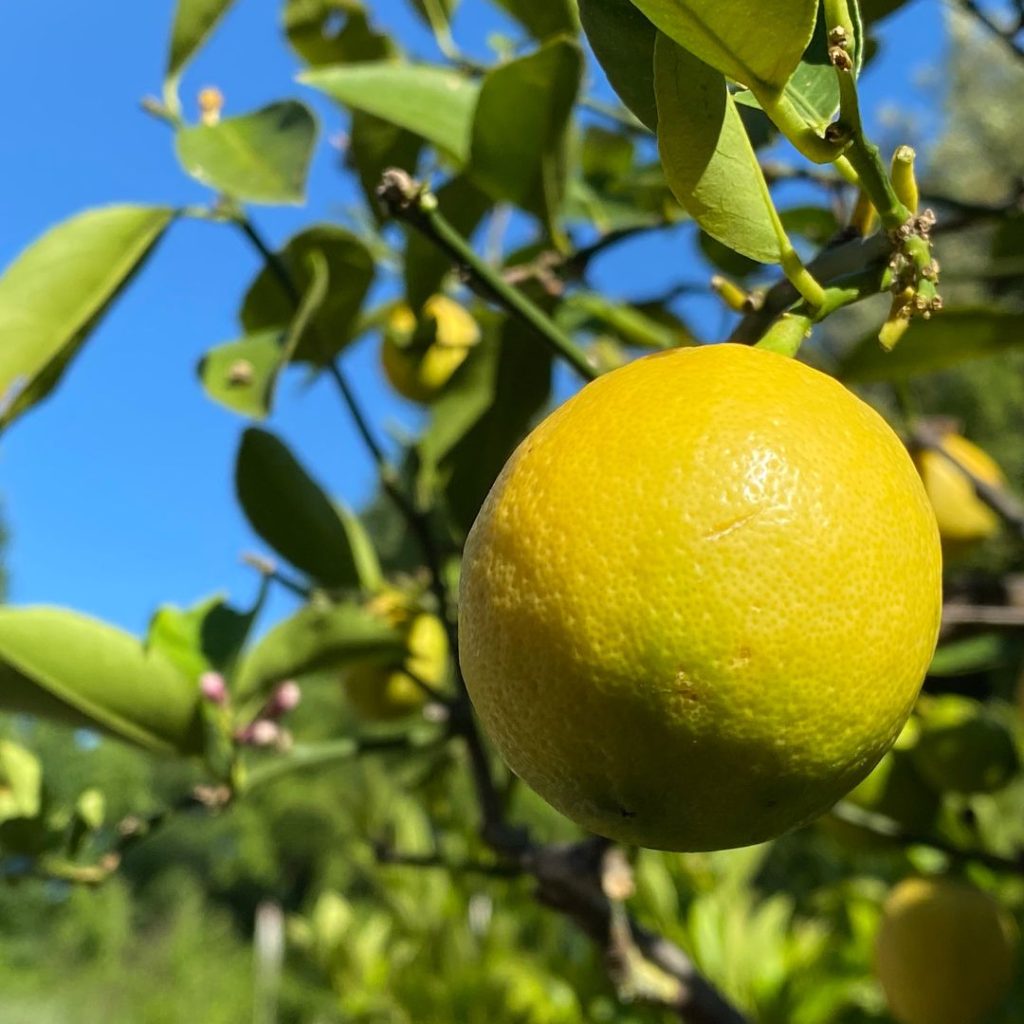
If you love bold flavours and exotic citrus varieties, then Jeruk Limo is a must-have for your garden. Also known as Nasnaran lime, this small but mighty fruit is a staple in Southeast Asian cuisine. From sambals to soups, Jeruk Limo brings a zesty punch to every dish. And the best part? It thrives in Perth’s warm climate, making it an excellent addition to your home garden. What is Jeruk Limo? Native to Southeast Asia, Jeruk Limo is a highly aromatic and tangy lime variety. Though small in size, it delivers an intense citrus flavour that enhances a wide range of dishes. Popular in Indonesia and Malaysia, it is widely used in traditional cooking, from spicy sambals to refreshing marinades. Beyond its culinary uses, this lime holds cultural significance, often featured in ceremonies and traditional remedies. Its strong aroma and rich flavour make it a sought-after citrus, perfect for those who love experimenting with authentic Southeast Asian ingredients. Why Jeruk Limo Thrives in Perth Perth’s hot summers, mild winters, and sandy soils provide an ideal environment for Jeruk Limo to flourish. Here’s why it’s a great choice for your garden: Heat Tolerant – This lime tree adapts well to Perth’s climate, handling the summer heat with ease. Compact Growth – Perfect for small spaces, pots, or backyard gardens, yet highly productive. Aromatic Leaves – Not just the fruit, but the leaves are also used in cooking, making this tree a double delight. How to Use Jeruk Limo in the Kitchen Jeruk Limo is a versatile citrus, enhancing various dishes with its zesty flavour. Here are some ways to incorporate it into your cooking: Sambals – Add freshly squeezed Jeruk Limo juice to spicy sambals to balance the heat. Marinades – Tenderise and infuse meat with bold citrus notes for an authentic Southeast Asian touch. Soups – A squeeze of lime adds brightness to traditional dishes like Soto and Laksa. Drinks – Mix into iced teas or tropical mocktails for a refreshing citrus twist. Condiments – Create zesty dipping sauces with soy sauce, chilli, and garlic. Sambal Jeruk Limo Recipe Want to bring authentic Southeast Asian flavours to your table? Try this simple Sambal Jeruk Limo recipe: Ingredients: 5 red chili peppers 5 bird’s eye chilies (adjust to taste) 1 medium-sized tomato 1 teaspoon toasted shrimp paste (terasi) (optional) Salt and sugar to taste Juice of 1 Jeruk Limo (Nasnaran lime) 1 tablespoon vegetable oil Instructions: Prepare Ingredients: Rinse chilies and tomato. Toast the shrimp paste if using. Cook the Chilies & Tomato: Heat oil in a pan, sauté chilies and tomato for 3-5 minutes. Grind the Ingredients: Blend or grind the mixture with shrimp paste, salt, and sugar. Add Lime Juice: Squeeze Jeruk Limo juice over the sambal and mix well. Serve & Enjoy! Pairs well with grilled meats, seafood, or warm rice. Growing Jeruk Limo in Perth Cultivating your own Jeruk Limo tree is easy, even for beginners. Follow these tips to keep your tree thriving: Sunlight: Choose a sunny spot with at least 6 hours of direct sunlight daily. Soil: Well-draining, sandy soil enriched with organic matter works best. Watering: Keep soil moist but not waterlogged, allowing it to dry slightly between watering. Fertilising: Use a citrus-specific fertiliser during the growing season for healthy growth. Pruning: Trim dead branches to improve airflow and encourage new growth. Pest Control: Watch for common citrus pests and treat them promptly. Why You Should Grow Jeruk Limo Having your own Jeruk Limo tree means you’ll always have access to fresh, aromatic limes, perfect for cooking and drinks. Unlike store-bought limes, homegrown Jeruk Limo offers unmatched freshness and quality. Whether you’re a passionate home cook, a lover of Southeast Asian cuisine, or a gardener looking to expand your citrus collection, Jeruk Limo is a fantastic choice for Perth gardens. Final Thoughts If you love bold flavours and unique citrus varieties, why not grow Jeruk Limo in your Perth garden? Its incredible zest, versatility, and easy maintenance make it a rewarding addition to any home. Plus, you’ll always have fresh limes on hand for delicious sambals, marinades, and more! Order your Jeruk Limo tree today and bring a taste of Southeast Asia to your backyard.

Jeruk Limo: The Southeast Asian Citrus Thriving in Perth Read More »

Digging Deep: Eureka Lemon Origins and Characteristics

Eureka Lemon

Eureka lemons are a household favorite, known for their bright yellow color, tangy flavor, and year-round fruiting. Originating in sunny California in the 1850s, this lemon variety quickly made its way across the globe and became one of the most popular choices in Australia. Despite its name, the Eureka lemon wasn’t discovered during a gold rush—it got its name from the moment growers realized its exceptional qualities. Characteristics of Eureka Lemons Eureka lemons are the epitome of a classic lemon: Bright yellow skin with a slightly textured surface Medium to large size with a juicy, acidic punch Year-round fruiting, especially thriving in Perth’s sunny climate Compact tree size, making it perfect for smaller gardens Fun Fact: The Best Lemon for Homemade Lemonade Eureka lemons are the top choice for fresh, homemade lemonade. Their balance of acidity and sweetness creates the perfect refreshing drink. Refreshing Recipe: Vegan Lemon Sparkler Celebrate the zesty goodness of Eureka lemons with this simple, refreshing drink—ideal for Perth’s warm days! Ingredients: 1 large Eureka lemon (juiced) 2 cups sparkling water 2 tbsp maple syrup (adjust to taste) Ice cubes Fresh mint leaves for garnish Instructions: In a glass, mix the Eureka lemon juice and maple syrup. Add a generous handful of ice cubes. Top with sparkling water and stir gently. Garnish with fresh mint leaves. Sip, relax, and enjoy the citrusy refreshment! Why Grow Eureka Lemons at Home? Growing a Eureka lemon tree is like having a constant supply of fresh citrus at your fingertips. Here’s why you should consider adding one to your garden: Year-Round Harvest: Never run out of lemons for cooking, drinks, or cleaning solutions. Low Maintenance: Eureka lemon trees are easy to grow and thrive in Perth’s climate. Compact Growth: Perfect for small gardens or even pots. Health Benefits: Packed with vitamin C, lemons boost immunity and digestion. Where to Get Your Eureka Lemon Tree Ready to start growing your own lemons?  Stay tuned for our next blogs as we explore other lemon varieties, like Lisbon and Meyer lemons. Cheers to a zestier life! 🍋🌿

Digging Deep: Eureka Lemon Origins and Characteristics Read More »

Pineapples: The Juicy Crown Jewel of the Tropics (and Your Garden!)

Pineapples are more than just a delicious tropical treat—they’re a symbol of hospitality, a versatile ingredient, and surprisingly easy to grow at home! Whether you’re curious about cultivating your own pineapple plant or looking for creative ways to enjoy this juicy fruit, this guide has you covered. Fun Facts About Pineapples It Takes Time to Shine Growing a pineapple requires patience. Each plant takes approximately 18 to 24 months to produce a single fruit. But trust us—the wait is worth it! Not a Tree, But a Bromeliad Despite their exotic look, pineapples grow close to the ground on spiky plants, belonging to the bromeliad family. No trees involved! Australia’s Pineapple Capital Queensland is home to Australia’s best pineapples, as well as the famous Big Pineapple, a must-visit landmark for pineapple lovers. The Ultimate Multitasker Pineapples contain bromelain, an enzyme that tenderizes meat, aids digestion, and even works as a natural skin exfoliant! A Symbol of Friendship For centuries, pineapples have represented hospitality and warmth—making them a perfect centrepiece for gatherings. How to Grow Pineapples at Home The best part? You can grow a pineapple from its top! Here’s how: Twist off the leafy crown from a fresh pineapple and let it dry for one to two days. Peel away a few lower leaves to expose the base. Place in water until roots develop. Plant in well-drained soil in a sunny location. Be patient—your homegrown pineapple will take two years to mature, but the reward is sweet! Pineapple Bliss: Sweet & Savoury Recipes Pineapples aren’t just for desserts—they shine in savoury dishes too! Try these tasty recipes featuring pineapples as the star ingredient. Pineapple & Prawn Skewers with Coconut Lime Dip Ingredients: 1 fresh pineapple (cut into chunks) 500g prawns (peeled & deveined) 1 red capsicum (diced) 1 red onion (cut into wedges) Olive oil (for brushing) Salt & pepper (to taste) For the Dip: 200ml coconut yoghurt Juice of 1 lime A sprinkle of chilli flakes Instructions: Preheat grill to medium-high heat. Thread pineapple, prawns, capsicum, and onion onto skewers. Brush with olive oil, season with salt and pepper. Grill 2-3 minutes per side until prawns are cooked. Mix coconut yoghurt, lime juice, and chilli flakes for the dip. Serve hot with the creamy dip! Pineapple & Veggie Skewers with Coconut Lime Dip (Vegan) Ingredients: 1 fresh pineapple (cut into chunks) 1 red capsicum (diced) 1 green capsicum (diced) 1 zucchini (sliced) 1 red onion (cut into wedges) 200g firm tofu (cubed) Olive oil (for brushing) 1 tsp smoked paprika Salt & pepper (to taste) For the Dip: 200ml coconut yoghurt Juice of 1 lime Chilli flakes Maple syrup (optional, for sweetness) Instructions: Cut all ingredients into skewer-friendly sizes. Toss tofu with olive oil, paprika, salt, and pepper. Thread pineapple, capsicum, zucchini, onion, and tofu onto skewers. Grill for 3-4 minutes per side until slightly charred. Mix coconut yoghurt, lime juice, and chilli flakes for the dip. Serve hot and enjoy! Pineapple Life Hacks Cut with Confidence To easily cut a pineapple: Slice off the top and bottom. Stand it upright and trim off the spiky skin in strips. Remove the tough core before dicing. Ripen It Right If your pineapple is too firm, let it sit at room temperature for a few days. To speed up ripening, place it in a paper bag with a banana. Why Pineapples Deserve the Spotlight Pineapples are a slice of sunshine that bring tropical vibes to your garden, plate, and glass. Whether you’re growing one at home or enjoying it in a dish, this fruit is a reminder to savour life’s simple pleasures. So, grab a pineapple, try these recipes, and let the good times grow! 🍍🌴

Pineapples: The Juicy Crown Jewel of the Tropics (and Your Garden!) Read More »