Recipe

Finger Lime: Australia’s Native Citrus Jewel
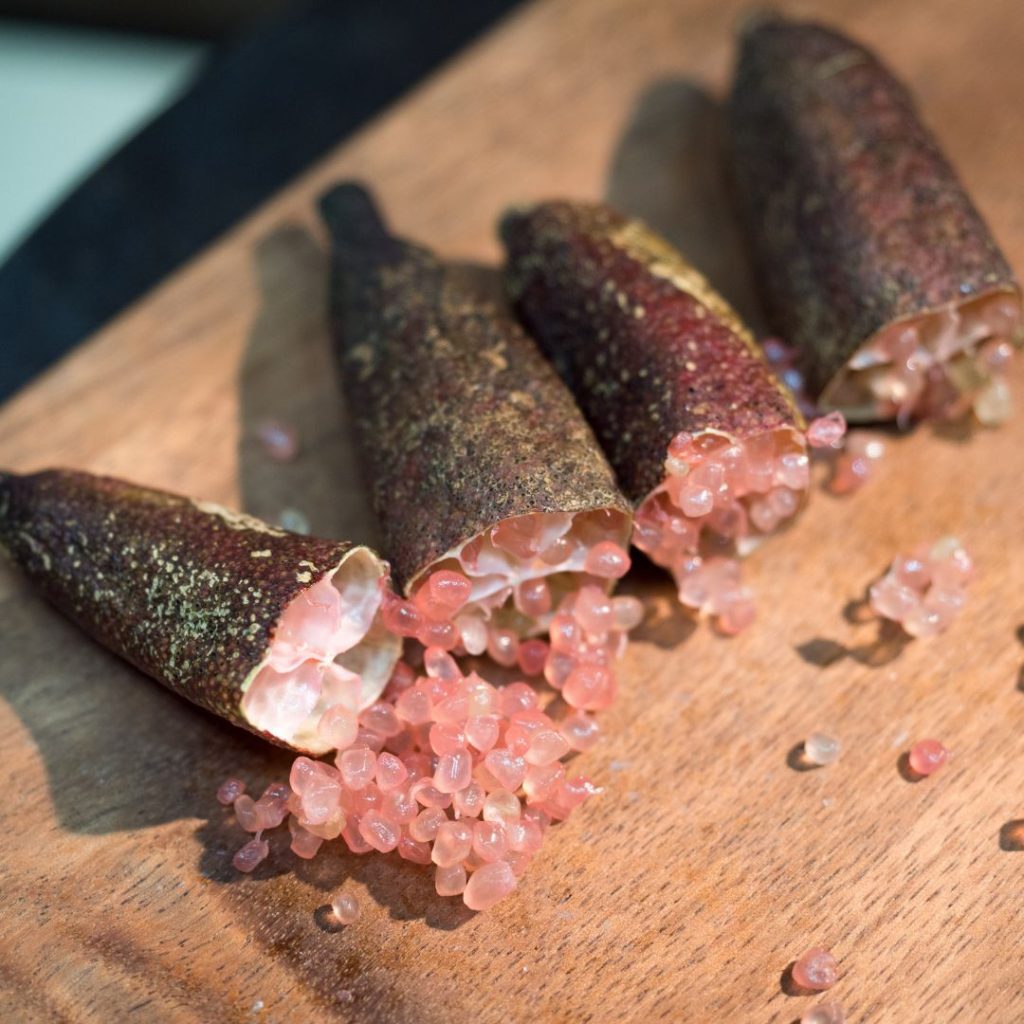
Imagine a citrus fruit that’s not just delicious but also a conversation starter. Enter the Finger Lime, a native Australian treasure that’s been turning heads in kitchens and gardens worldwide. Known as the “caviar of citrus,” this quirky fruit is as fun as it is flavourful. Let’s dive into the world of Finger Lime and discover why it’s a must-have for any Perth gardener or foodie. A Brief History Finger Lime (Citrus australasica) is indigenous to the rainforests of Australia, particularly in Queensland and New South Wales. For centuries, it was a staple food for Indigenous Australians, who valued its unique texture and tangy flavour. In recent years, it’s gained international acclaim as chefs and food enthusiasts have embraced its culinary potential. What makes the plant truly unique is its pulp. Instead of the typical citrus segments, the fruit contains tiny, juicy pearls that resemble caviar. These “lime pearls” burst in your mouth with a delightful tang, making Finger Lime a sensory experience like no other. Why Finger Lime Thrives in Perth Thanks to its hardy nature and adaptability, Finger Lime is an excellent choice for Perth’s climate. Here’s why it’s a fantastic addition to your garden: How to Use it in the Kitchen Finger Lime isn’t just a pretty face—it’s a culinary powerhouse. Here are some creative ways to use this versatile fruit: Tips for Growing Finger Lime in Perth Growing a Finger Lime tree is both rewarding and straightforward. Here’s how to ensure your tree thrives: Why Finger Lime is a Must-Have From its striking appearance to its culinary versatility, the Finger Lime is a true gem of the citrus world. Its unique texture and flavour make it a hit in both gourmet kitchens and home gardens. Plus, it’s a native Australian plant, which means you’re supporting local biodiversity by growing one. And let’s not forget the convenience of having fresh Finger Limes in your backyard. With the fruit being so hard to find in stores, growing your own tree ensures you’ll always have access to this culinary treasure without the hassle of hunting it down or settling for frozen versions. If you’re looking to grow your own Finger Lime tree, you’re in luck. You can order Finger Lime trees from PMN’s online store and have them conveniently delivered to your doorstep. Growing your own not only guarantees freshness but also lets you enjoy the diversity of colours and flavours that this native treasure offers. Final Thoughts For those in Perth looking to add a touch of the extraordinary to their garden, the Finger Lime is an unbeatable choice. Whether you’re a foodie seeking unique ingredients or a gardener wanting a plant with character, this native citrus ticks all the boxes. Why not embrace a piece of Australia’s natural heritage? Plant a Finger Lime tree and let its zesty pearls brighten your dishes and your days!

Finger Lime: Australia’s Native Citrus Jewel Read More »
Desert Lime: The Aussie Battler of the Citrus World

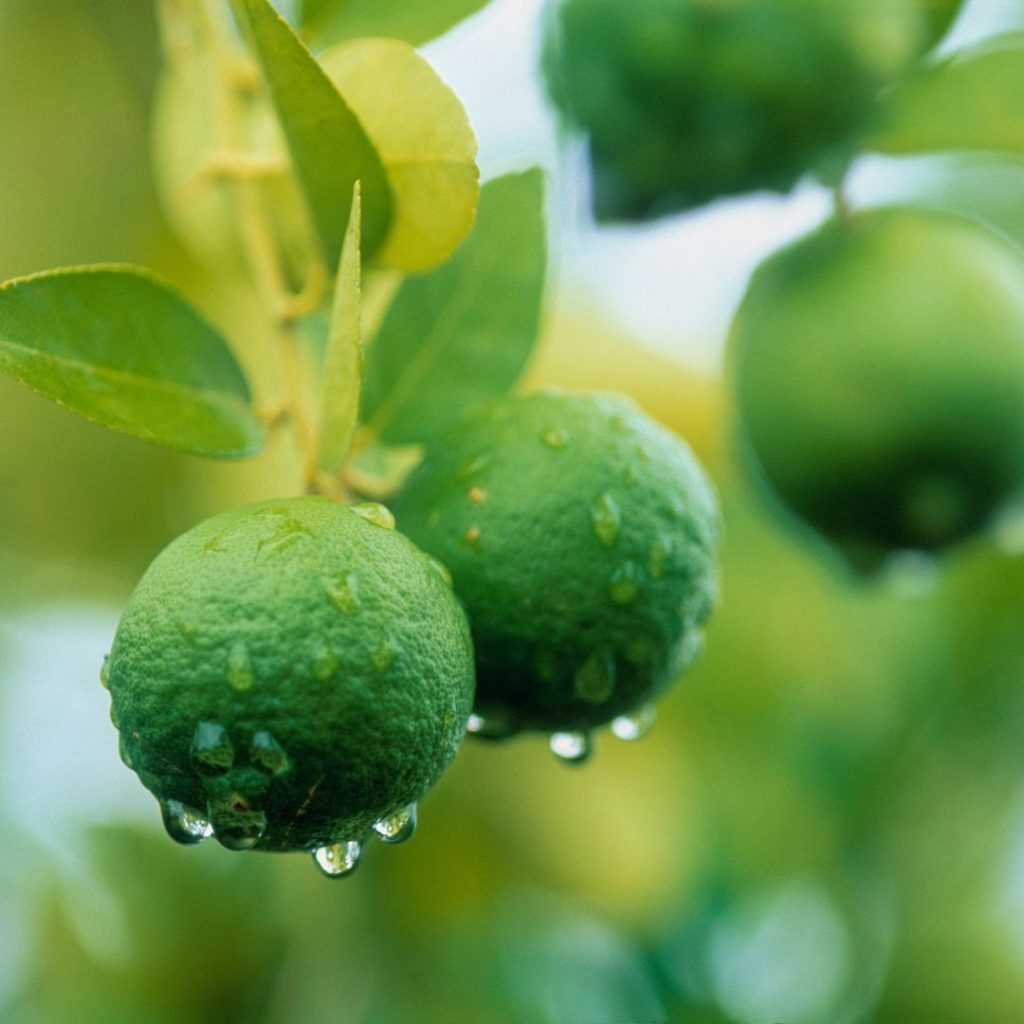
G’day, mate! Let’s talk about the Desert Lime, an absolute ripper of a fruit that’s as Aussie as Vegemite and backyard cricket. This little gem has been surviving and thriving in our harsh outback long before we rocked up with our barbies and beers. If you’re looking for a tree that’ll add a bit of native flair to your garden, the Desert Lime is the way to go. Fair dinkum, it’s a bloody legend. What is the Desert Lime? The Desert Lime (Citrus glauca) is a true-blue Aussie native. This scrappy citrus hails from the arid regions of Queensland, New South Wales, and South Australia. It’s been a tucker favourite for Indigenous Australians for yonks, used in bush tucker recipes and medicines. The fruit is small, green, and round with a tangy kick that’ll wake up your taste buds quicker than a dip in the chilly Murray. Why it is a Top Choice for Perth Perth’s scorching summers and sandy soils? No worries! The Desert Lime laughs in the face of drought and poor soil. Here’s why it’s the ultimate Aussie battler for your backyard: How to Use Desert Lime in the Kitchen Desert Lime is the flavour bomb you didn’t know you needed. It’s tangy, zesty, and ready to jazz up just about anything. Here’s how you can put it to good use: Tips for Growing in Perth If you reckon you’ve got a black thumb, don’t stress. The Desert Lime is as low-maintenance as they come. Here’s how to keep it happy: Why the Desert Lime is a Fair Dinkum Winner The Desert Lime isn’t just a tree; it’s a survivor. It’s been out in the bush, battling the elements and thriving like a true Aussie battler. Plus, it’s versatile as all get-out in the kitchen. Whether you’re making chutney for your next barbie or whipping up a lime tart for the rellies, this little fruit delivers big-time. Final Thoughts If you’re keen on adding a slice of Aussie history to your garden, the plant is a ripper choice. Tough, tasty, and full of character, it’s a little tree with a big heart. So, what are you waiting for? Grab the tree, give it a home, and enjoy the fruits of this true-blue legend. Cheers to that!

Desert Lime: The Aussie Battler of the Citrus World Read More »

Calamansi: The Pocket Rocket of Limes

If limes had a personality contest, Calamansi would undoubtedly win the title of “Most Spirited.” Tiny, tangy, and totally irresistible, this little citrus fruit has a cult following in Southeast Asia, and it’s easy to see why. Let’s dive into the delightful world of Calamansi and discover what makes it a must-have for your garden and your kitchen. What is Calamansi? Calamansi (also known as calamondin) is a hybrid between a kumquat and a mandarin orange. It’s native to the Philippines and widely used across Southeast Asia for its intense flavour and versatility. These little green-to-orange gems may be small in size, but their zingy, citrusy punch is anything but subtle. Think of it as the espresso shot of the lime world – concentrated, bold, and energising. Why is it Perfect for Perth Gardens Living in Perth means long, sunny days and a climate that’s a dream for citrus lovers. It thrives in these conditions, making it an excellent choice for local gardeners. Whether you’re planting in a backyard or growing in a pot, this hardy little lime tree will reward you with a bountiful harvest year-round. Pro tip: Calamansi trees are evergreen, so they’ll keep your garden looking lush and vibrant even in the cooler months. How to Use Calamansi in the Kitchen This zesty fruit may be small, but it’s packed with culinary possibilities. Here are some of the most popular ways to use: Growing Tips Why You’ll Fall in Love with Calamansi There’s something undeniably charming about Calamansi. Maybe it’s their petite size, their year-round fruiting, or the way their tartness cuts through rich dishes like magic. Whatever the reason, once you’ve tasted the zing of fresh Calamansi, you’ll wonder how you ever lived without it. So, whether you’re a seasoned green thumb or a beginner looking to start your citrus journey, Calamansi is a perfect pick. It’s a lime with personality, versatility, and a zest for life – just like Perth itself. Final Thoughts Calamansi isn’t just a lime; it’s a way of life. Brighten up your garden, level up your cooking, and embrace the zesty joy this tiny citrus dynamo brings. When you plant Calamansi, you’re not just growing fruit – you’re growing possibilities. Ready to add a little zest to your life? Dig in and get growing!

Calamansi: The Pocket Rocket of Limes Read More »

Meyer Lemons: The Sweet & Tangy Citrus Gem for Your Garden

Meyer Lemon

G’day, citrus enthusiasts! Let’s embark on a juicy journey into the world of Meyer lemons—a fruit that’s as Aussie as a kangaroo sipping a flat white. The Meyer Lemon: A Citrus Lovechild Imagine if a lemon and a mandarin had a cheeky rendezvous; the result would be the Meyer lemon. This delightful hybrid blends the tang of a lemon with the sweetness of a mandarin, creating a fruit that’s less acidic and more palatable than your standard lemon. A Brief Stroll Down Meyer Lane Our story begins in the early 1900s with Frank Meyer, an intrepid agricultural explorer for the U.S. Department of Agriculture. While wandering through China in 1908, Meyer discovered this unique citrus and thought, “Why not share this gem with the world?” Soon, Meyer lemons arrived in Western gardens and kitchens, eventually making their way to Australia, where they have flourished ever since. Meyer Lemon Characteristics: More Than Just a Pretty Face Skin-Deep Beauty – Meyer lemons have a smooth, thin skin that turns a deep yellow-orange when ripe. This delicate skin makes them tricky to transport, which is why they’re not as common in supermarkets. Sweet and Juicy Personality – Unlike regular lemons, the Meyer lemon has a sweeter, less acidic flesh that’s bursting with juice. Aromatic Delight – The floral fragrance of a Meyer lemon is intoxicating, making it a favourite in both culinary and aromatic applications. Growing Your Own Meyer Lemon Tree in Australia Why hunt for Meyer lemons in the wild when you can grow your own? These trees are well-suited to Australia’s climate and even thrive in pots—perfect for urban gardeners. Top Tips for Growing Meyer Lemons: Sunbake: Plant your tree in a sunny spot; Meyer lemons are sun-seekers. Drink Up: Keep the soil moist but not waterlogged. Think of it as providing a steady flow of cocktails to a cherished mate. Feed Me, Seymour: Apply a citrus-specific fertiliser regularly to keep your tree healthy and productive. Trim the Fringe: Lightly prune to maintain shape and remove any dead or crossing branches. Vegan Meyer Lemon Tartlets Recipe Put your homegrown Meyer lemons to good use with these delicious vegan tartlets. Ingredients: For the crust: 1 ½ cups almond flour 2 tablespoons coconut oil, melted 2 tablespoons maple syrup Pinch of salt For the filling: 1 cup coconut cream ½ cup fresh Meyer lemon juice 2 tablespoons Meyer lemon zest ⅓ cup maple syrup 2 tablespoons cornstarch 1 teaspoon agar-agar powder (a plant-based gelatin substitute) Instructions: Crust: Preheat oven to 180°C (350°F). Mix almond flour, coconut oil, maple syrup, and salt to form a dough. Press into tartlet pans and bake for 10-12 minutes until golden. Let cool. Filling: Whisk coconut cream, Meyer lemon juice, zest, maple syrup, cornstarch, and agar-agar in a saucepan. Cook over medium heat, stirring constantly, until thickened. Pour into cooled tartlet crusts and refrigerate for at least 2 hours. Serve: Garnish with Meyer lemon slices or zest. Enjoy your zesty, vegan delight! Fun Fact: A Star Is Born Did you know that Martha Stewart helped popularise Meyer lemons in the 1990s? Her recipes showcased their versatility, making them a kitchen staple for citrus lovers worldwide. In Conclusion: Meyer Lemons, Your New Best Mate Whether you’re a seasoned gardener or a kitchen enthusiast, the Meyer lemon is a fantastic addition to your garden and pantry. With its sweet, tangy flavour and floral aroma, it’s a standout in both sweet and savoury dishes. Why not grow your own Meyer lemon tree in Australia? It’s a small investment that yields big, juicy rewards!  

Meyer Lemons: The Sweet & Tangy Citrus Gem for Your Garden Read More »

Pineapples: The Juicy Crown Jewel of the Tropics (and Your Garden!)

Pineapples are more than just a delicious tropical treat—they’re a symbol of hospitality, a versatile ingredient, and surprisingly easy to grow at home! Whether you’re curious about cultivating your own pineapple plant or looking for creative ways to enjoy this juicy fruit, this guide has you covered. Fun Facts About Pineapples It Takes Time to Shine Growing a pineapple requires patience. Each plant takes approximately 18 to 24 months to produce a single fruit. But trust us—the wait is worth it! Not a Tree, But a Bromeliad Despite their exotic look, pineapples grow close to the ground on spiky plants, belonging to the bromeliad family. No trees involved! Australia’s Pineapple Capital Queensland is home to Australia’s best pineapples, as well as the famous Big Pineapple, a must-visit landmark for pineapple lovers. The Ultimate Multitasker Pineapples contain bromelain, an enzyme that tenderizes meat, aids digestion, and even works as a natural skin exfoliant! A Symbol of Friendship For centuries, pineapples have represented hospitality and warmth—making them a perfect centrepiece for gatherings. How to Grow Pineapples at Home The best part? You can grow a pineapple from its top! Here’s how: Twist off the leafy crown from a fresh pineapple and let it dry for one to two days. Peel away a few lower leaves to expose the base. Place in water until roots develop. Plant in well-drained soil in a sunny location. Be patient—your homegrown pineapple will take two years to mature, but the reward is sweet! Pineapple Bliss: Sweet & Savoury Recipes Pineapples aren’t just for desserts—they shine in savoury dishes too! Try these tasty recipes featuring pineapples as the star ingredient. Pineapple & Prawn Skewers with Coconut Lime Dip Ingredients: 1 fresh pineapple (cut into chunks) 500g prawns (peeled & deveined) 1 red capsicum (diced) 1 red onion (cut into wedges) Olive oil (for brushing) Salt & pepper (to taste) For the Dip: 200ml coconut yoghurt Juice of 1 lime A sprinkle of chilli flakes Instructions: Preheat grill to medium-high heat. Thread pineapple, prawns, capsicum, and onion onto skewers. Brush with olive oil, season with salt and pepper. Grill 2-3 minutes per side until prawns are cooked. Mix coconut yoghurt, lime juice, and chilli flakes for the dip. Serve hot with the creamy dip! Pineapple & Veggie Skewers with Coconut Lime Dip (Vegan) Ingredients: 1 fresh pineapple (cut into chunks) 1 red capsicum (diced) 1 green capsicum (diced) 1 zucchini (sliced) 1 red onion (cut into wedges) 200g firm tofu (cubed) Olive oil (for brushing) 1 tsp smoked paprika Salt & pepper (to taste) For the Dip: 200ml coconut yoghurt Juice of 1 lime Chilli flakes Maple syrup (optional, for sweetness) Instructions: Cut all ingredients into skewer-friendly sizes. Toss tofu with olive oil, paprika, salt, and pepper. Thread pineapple, capsicum, zucchini, onion, and tofu onto skewers. Grill for 3-4 minutes per side until slightly charred. Mix coconut yoghurt, lime juice, and chilli flakes for the dip. Serve hot and enjoy! Pineapple Life Hacks Cut with Confidence To easily cut a pineapple: Slice off the top and bottom. Stand it upright and trim off the spiky skin in strips. Remove the tough core before dicing. Ripen It Right If your pineapple is too firm, let it sit at room temperature for a few days. To speed up ripening, place it in a paper bag with a banana. Why Pineapples Deserve the Spotlight Pineapples are a slice of sunshine that bring tropical vibes to your garden, plate, and glass. Whether you’re growing one at home or enjoying it in a dish, this fruit is a reminder to savour life’s simple pleasures. So, grab a pineapple, try these recipes, and let the good times grow! 🍍🌴

Pineapples: The Juicy Crown Jewel of the Tropics (and Your Garden!) Read More »